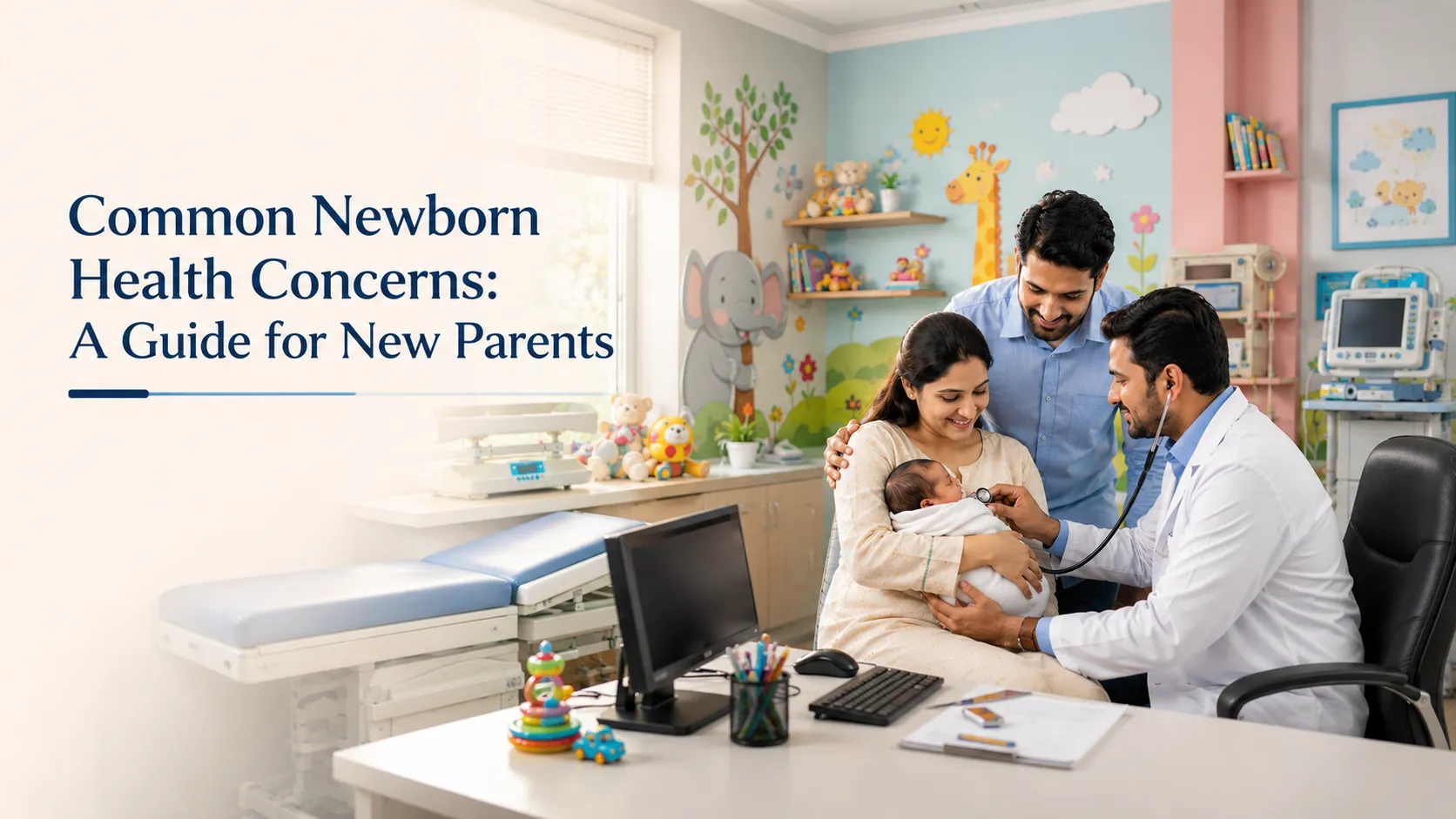
Common Newborn Health Concerns: A Guide by Dr. G. Praveen | Jammikunta
Bringing a new baby home is a deeply emotional experience, filled with joy, excitement, and a fair share of worry. In the early days, parents often closely observe every tiny change in their newborn. Understanding newborn health is essential for distinguishing between normal physical adjustments and warning signs that require medical attention.
With the right awareness and timely guidance from trusted pediatric experts, most newborn concerns can be managed effectively, ensuring a safe and healthy start for your baby.
1. Normal Physical and Skin Changes
In the first few weeks, several physical shifts occur as a newborn adapts to life outside the womb. While common, these changes can cause worry for first-time parents:
Skin Peeling and Acne: Mild skin peeling, dryness, or tiny newborn acne bumps are frequently seen and usually clear up on their own.
Mild Jaundice: A slight yellowish tint to the skin or eyes is common in newborns. However, if the yellowing deepens or spreads rapidly, it needs to be checked.
Irregular Sleep Patterns: Newborns do not have a set sleep schedule. Frequent waking and irregular sleep cycles are a normal part of early development.
2. Feeding, Digestion, and Weight
Adjusting to a feeding routine can feel challenging as the baby’s digestive system matures.
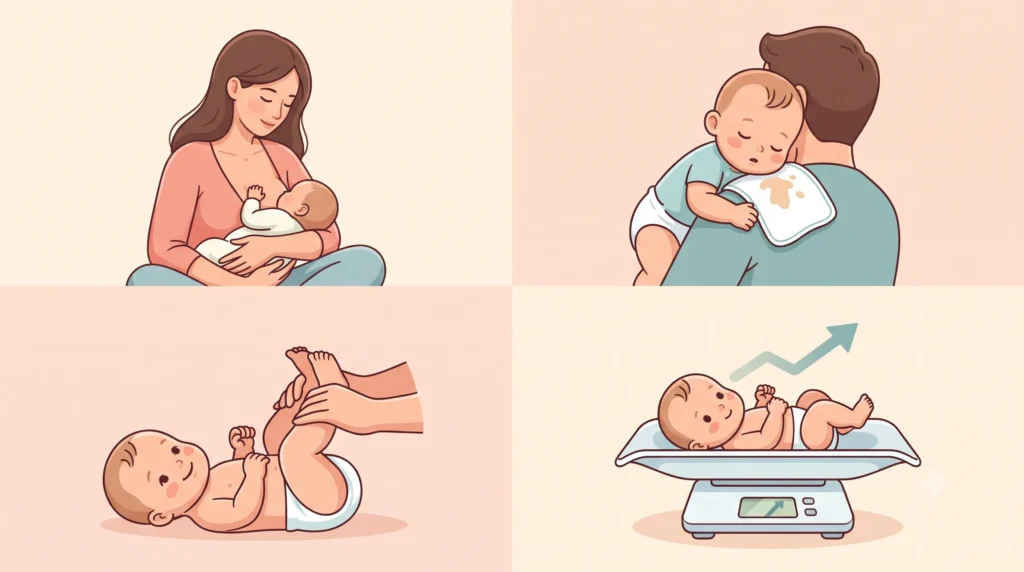
Latch Issues: Short feeding sessions or difficulty latching onto the breast are commonly observed in the initial days.
Frequent Spit-ups: Spitting up a small amount of milk after feeds is entirely normal for infants, as long as the baby remains comfortable.
Gas and Colic: Mild abdominal discomfort or passing gas frequently happens during early feeding stages.
Weight Fluctuations: It is scientifically expected for newborns to lose a small percentage of their birth weight in the first week. They generally regain it over the following two weeks. Poor weight gain beyond this period should be professionally evaluated.
3. Respiratory and Temperature Patterns
A baby’s respiratory system takes time to fully mature, which often leads to unique breathing patterns.
Irregular Breathing: Brief pauses followed by periods of faster breathing during sleep are usually normal.
Temperature Regulation: A newborn’s body is highly sensitive to environmental changes. Keeping the room temperature stable and dressing the baby in comfortable, breathable layers helps maintain health.
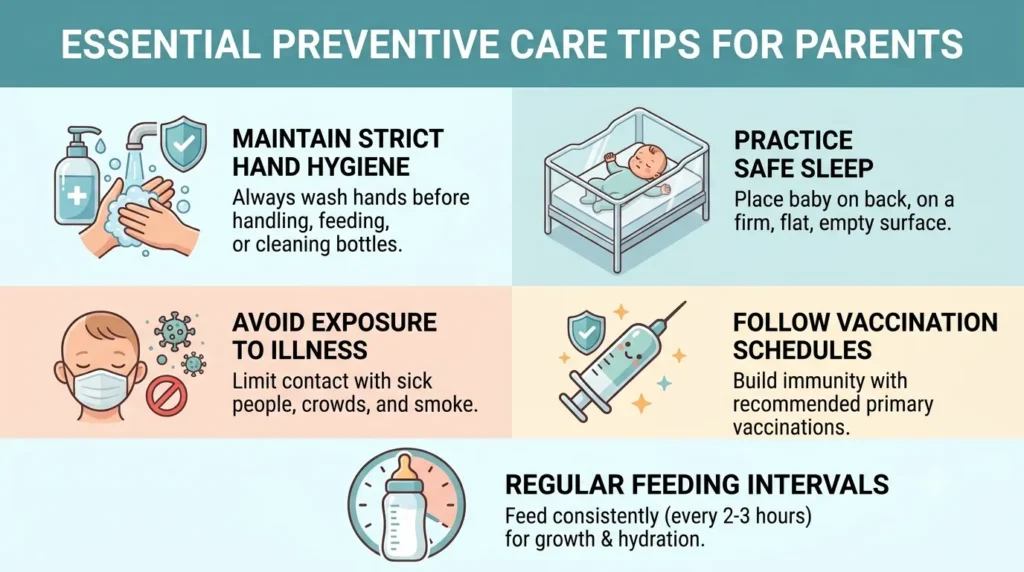
Essential Preventive Care Tips for Parents
Simple, daily practices can significantly reduce health risks and improve your baby’s well-being:
Maintain Hand Hygiene: Always wash your hands thoroughly before handling the baby to prevent infections.
Practice Safe Sleep: Always place the baby on their back on a firm, flat, and safe surface free of loose toys or heavy blankets.
Avoid Exposure to Illness: Limit the infant’s exposure to sick individuals or crowded places during the first few months.
Follow Vaccination Schedules: Ensure your baby receives all recommended vaccinations on time to build strong immunity.
Regular Feeding Intervals: Feed the baby at consistent intervals to support proper growth and optimal hydration.
Danger Signs: When to Call the Pediatrician Immediately
While many newborn behaviors are normal adjustments, certain warning signs require urgent clinical medical attention. Parents should seek professional help immediately if they notice:
Consistently fast, labored, or difficult breathing (such as the chest pulling inward).
Total refusal to feed or poor sucking reflex.
High fever or an abnormally low body temperature.
Excessive sleepiness, extreme lethargy, or reduced responsiveness.
Continuous, high-pitched crying that cannot be soothed.
A bluish tint around the lips, tongue, or face.
Seizures or unusual twitching.
Frequently Asked Questions (FAQs)
Is it normal for babies to sneeze multiple times in a row?
Yes. Occasional sneezing is a natural protective reflex in infants. Because a newborn’s nasal passages are very small and sensitive, sneezing helps clear out dust, tiny milk particles, or normal mucus.
When should I worry about my baby’s sneezing?
Sneezing alone is not a concern. However, if frequent sneezing occurs alongside a fever, breathing difficulties, a persistent cough, or feeding problems, it may indicate a respiratory infection or allergy that requires medical attention.
When should I worry about my infant’s breathing?
You should seek immediate medical care if your baby shows signs of respiratory distress. These include labored breathing, chest retractions (skin pulling in tight under the ribs), grunting sounds while breathing, or blue discoloration around the lips.
Conclusion
Navigating the early days of parenting becomes much easier with the right support. Recognizing normal adjustments versus actual warning signs makes a significant difference in health outcomes.
For reliable newborn care, expert guidance, and complete peace of mind, families in and around the region can confidently count on the pediatric services at Sri Krishna Children’s Hospital in Jammikunta, led by Dr. G . Praveen Sir.
Disclaimer: This content is for general educational purposes only and does not replace professional medical advice. Always consult a qualified pediatrician if you have specific concerns about your newborn’s health.
Dr. G. Praveen
M.B.B.S, M.D. (Pediatrics)
Newsletter
Sign up our newsletter to get update information, news and free insight.